

 Blog
BlogHistory and Traditions of Loy Krathong : Thailand Iconic Festival
History and Traditions of Loy Krathong : Thailand’s Iconic Festival
Loy Krathong is one of Thailand’s most important and unique traditional festivals, celebrated annually on the full moon of the 12th lunar month, usually in November. This festival is deeply rooted in Thai culture and combines religious, social, and environmental elements, reflecting the country’s beliefs, lifestyles, and community values.
This article provides a detailed overview of the history, significance, and customs of Loy Krathong, along with guidance for participating safely and respectfully.
1. Origins of Loy Krathong
1.1 Meaning and Religious Background
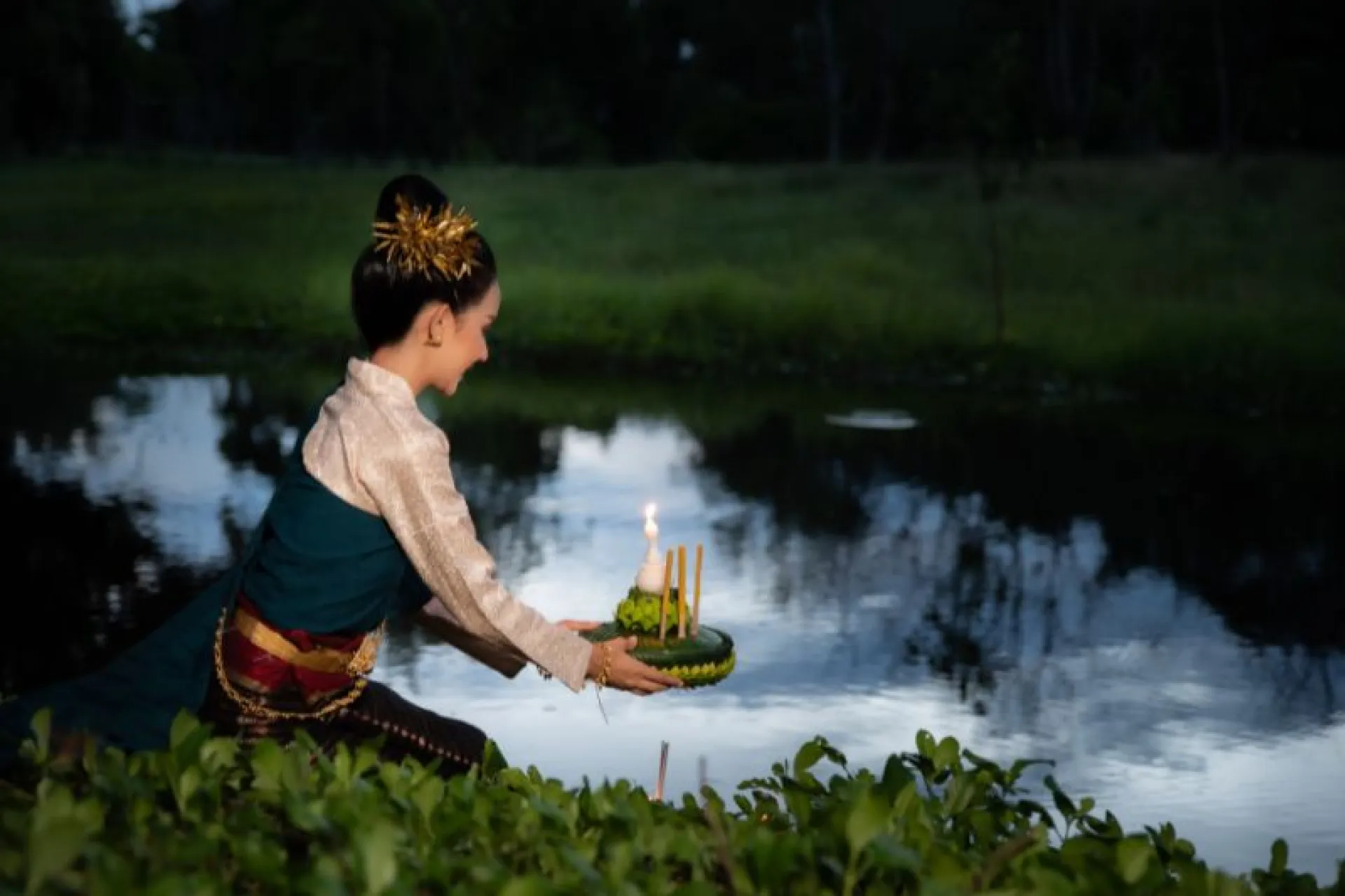
- The word “Loy Krathong” comes from “Krathong,” which refers to a small floating vessel traditionally made from natural materials such as banana leaves, banana trunks, and flowers, often decorated with candles and incense.
- The festival has roots in Hindu-Brahmin beliefs, paying homage to Phra Mae Khongkha, the goddess of water.
- Floating a krathong symbolizes thanks and apology to the water spirits, cleansing oneself of misfortune, negative deeds, and past missteps.
1.2 Historical Significance in Thailand
- Historically, Loy Krathong was celebrated alongside Buddhist ceremonies and the rice harvest season.
- Early krathongs were made entirely of natural materials to show respect for water and nature.
- The festival marked the start of a new year in the traditional Thai calendar and emphasized purification and renewal.
2. Cultural Significance of the Festival
2.1 Religious and Spiritual Meaning
- Floating krathongs is a way of giving thanks and asking for forgiveness from the rivers and water sources.
- It symbolizes purification, letting go of negativity, and making a fresh start.
2.2 Social and Community Importance
- Loy Krathong fosters family and community bonding.
- Children and adults participate together, reinforcing respect for elders and traditional customs.
2.3 Entertainment and Celebration
- The festival includes water fights, parades, traditional performances, and music.
- These activities provide enjoyment while allowing participants to experience Thai culture first-hand.
3. How to Make and Float a Krathong
3.1 Preparing the Krathong
- Traditional krathongs are made from banana leaves, flowers, a candle, and incense sticks.
- Decoration represents beauty and good fortune, while the candle symbolizes light and the incense represents positive intentions.
3.2 Floating the Krathong
- Participants release the krathong into rivers, canals, or other water bodies.
- Before floating, people usually make a wish or set intentions for a happy and prosperous year.
- Krathongs can be floated individually or as part of community festivals.
4. Loy Krathong Today
- Large-scale celebrations are held in provinces such as Ayutthaya, Chiang Mai, and Bangkok.
- Competitions for the most beautiful krathong, music, and cultural performances are common.
- Even tourist destinations like Krabi, Phuket, and Pattaya host public celebrations for visitors to experience the festival.
5. Tips for Participating
- Use biodegradable materials to reduce environmental impact.
- Supervise children and elderly participants near water.
- Respect religious rituals and elders.
- Float the krathong safely and avoid slippery areas.
- Clean up after floating to keep waterways tidy.
6. Summary
Loy Krathong is a festival that embodies gratitude, respect for nature, and community unity.
- Activities such as floating krathongs, paying respects to elders, water celebrations, and traditional performances create joy and memorable experiences.
- Participating respectfully and safely allows everyone to fully enjoy the festival while immersing themselves in Thai culture.